
Maximizing Productivity: A Comprehensive Guide to Effective Business Consulting


Introduction to Business Consulting
Business consulting has emerged as an essential service for organizations aiming to maximize productivity and achieve sustainable growth. By leveraging expert insights, companies can navigate complex challenges and improve their operational efficiency. This guide will explore effective strategies to enhance productivity through business consulting.

Identifying Core Objectives
Before embarking on a consulting journey, it's crucial for businesses to identify their core objectives. Clear goals provide direction and enable consultants to tailor strategies that align with the organization’s vision. Common objectives include improving profitability, optimizing processes, and enhancing workforce performance.
Setting Clear Goals
Setting clear, measurable goals is fundamental to a successful consulting engagement. Use the SMART criteria—Specific, Measurable, Achievable, Relevant, and Time-bound—to formulate objectives that guide the consulting process effectively.

Analyzing Current Processes
Conducting a thorough analysis of current business processes is a critical step in identifying areas for improvement. Consultants often employ tools like SWOT analysis (Strengths, Weaknesses, Opportunities, Threats) to evaluate the internal and external factors affecting the business.
Utilizing Technology
Technology plays a pivotal role in modern business consulting. By leveraging data analytics and digital tools, consultants can gain deeper insights into organizational processes and recommend tailored solutions that drive productivity.

Implementing Strategic Solutions
Once objectives are defined and processes analyzed, the next step involves implementing strategic solutions. This may include restructuring workflows, adopting new technologies, or enhancing team collaboration. The focus should be on sustainable improvements that align with long-term business goals.
Change Management
Effective change management is crucial during the implementation phase. Businesses must ensure that employees are engaged and informed throughout the transition to minimize resistance and maximize the impact of new strategies.

Measuring Success
To gauge the effectiveness of consulting interventions, it's essential to measure outcomes against predefined metrics. Regular performance evaluations help businesses stay on track and make necessary adjustments to their strategies.
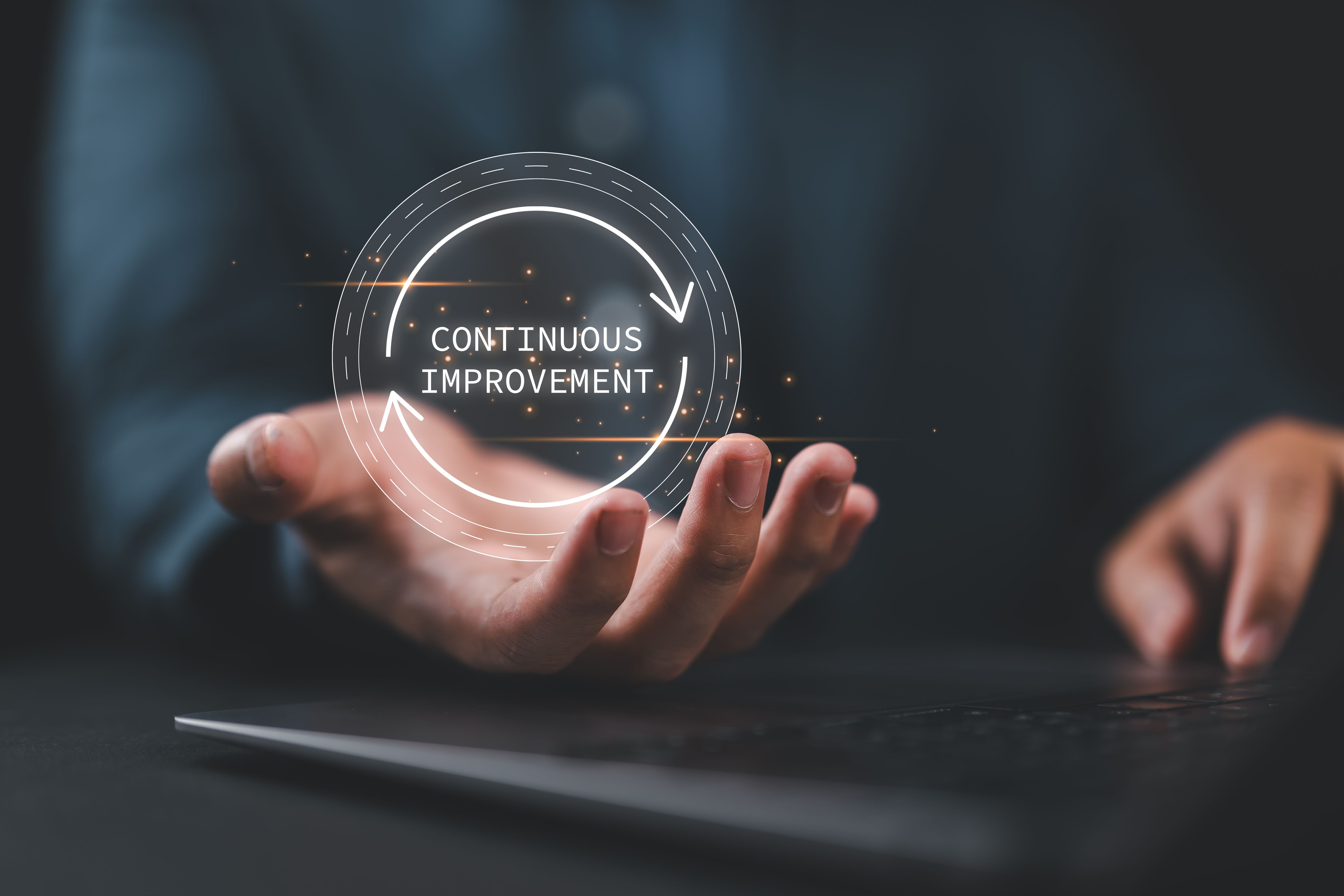
Continuous Improvement
Business consulting is not a one-time affair. Continuous improvement should be an integral part of the organizational culture. Ongoing collaboration with consultants can help businesses stay adaptable and responsive to evolving market conditions.
Conclusion
Maximizing productivity through effective business consulting requires a strategic approach that encompasses clear goal setting, thorough analysis, and continuous adaptation. By partnering with skilled consultants, businesses can unlock their full potential and achieve lasting success.